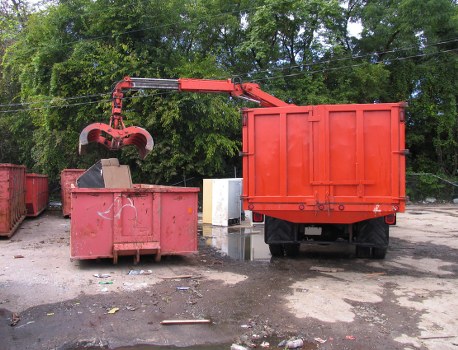
Skip Hire Sutton: Recycling and Sustainability
Welcome to Skip Hire Sutton's sustainability page. We are committed to delivering an eco-friendly waste disposal area and a clearly managed sustainable rubbish area across the borough. Our skip hire in Sutton services are designed to reduce landfill, increase reuse and make every collection count towards a circular local economy. This introduction outlines how our skip hire — Sutton operations align with local waste separation practices, community partnerships and low-carbon logistics.Our approach is built on measurable targets and responsible operations. We have set a clear recycling percentage target: 65% recycling and reuse of all skip contents by 2030, with an interim corporate target of 55% by 2026. To reach this we combine careful on-site sorting, transfer of segregated materials to licensed facilities and active reuse channels. Skip Hire Sutton pursues continuous improvement through audits, staff training and investment in sorting infrastructure.
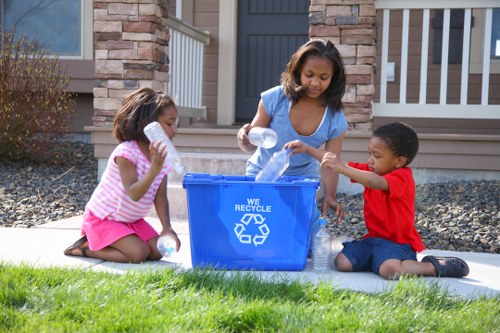 The London Boroughs' approach to waste separation influences how we manage loads. Many local councils in and around Sutton operate separate collections for food waste, mixed dry recycling and glass; this means residents and businesses are used to source separation and higher-quality recycling streams. We complement that by accepting and sorting common material types relevant to the area — paper/card, plastics, glass, metals, textiles and WEEE (small electricals) — diverting them to the correct recycling routes. Our Sutton skip hire services also support small-scale construction waste segregation like clean hardcore, timber and plasterboard for specialist recycling.
Local Transfer Stations and Responsible Processing
We work with licensed local transfer stations and authorised waste processors across South West London and neighbouring boroughs to maximise resource recovery. Materials collected from our skips are transported to approved facilities where further separation, baling or treatment can take place. Using recognised transfer stations reduces transport distance and ensures compliance with environmental permits. Key features of our processing chain include:- Transparent tracking of material flows from site to facility.
- Chain of custody documentation for higher-value recyclables.
- Partnerships with transfer stations that prioritise reuse and high-quality recycling over disposal.
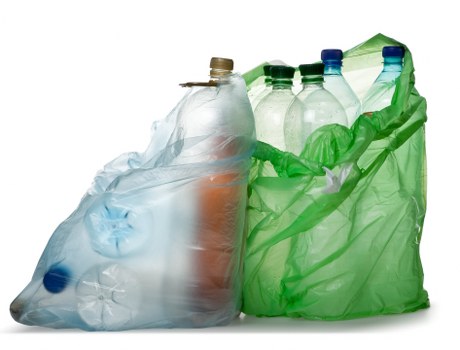
Partnerships with Charities and Community Reuse
We maintain active partnerships with local charities, community groups and reuse centres to give items a second life. Where items recovered from skips are reusable — furniture, fixtures, tools, clean timber and certain household items — we divert them to charity partners and community reuse projects rather than sending them for shredding or disposal. These partnerships help support local social enterprises and reduce the environmental impact of waste. Our donation routes are audited to make sure goods are safe and redistributed responsibly.To support a low-carbon circular model we invest in a modern fleet of vehicles. Our low-carbon vans and collection vehicles include electric-assisted vans and Euro VI standard engines for heavier trucks, reducing NOx and CO2 emissions on local runs. We also employ route optimisation software to minimise mileage and idle times, and we actively shift suitable collections to electric vehicles as the technology and charging infrastructure allow. Skip hire in Sutton can be a low-emission service when logistics are designed around the environment.
Operational best practices include on-site source separation where possible, staff training in contamination reduction and contractor standards for drivers and waste handlers. We aim for a target of 95% diversion from landfill for materials that are suitable for recycling or recovery, recognising some mixed loads may still require treatment. Our reporting is public and updated periodically so stakeholders can see progress against the recycling percentage target.
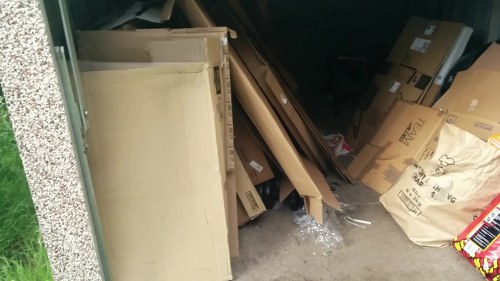 Waste prevention and sustainable rubbish area design go hand-in-hand. At our transfer and sorting hubs we prioritise clean material streams that fetch higher recycling yields: segregated timber, separate plasterboard routes (to avoid gypsum contamination), and dedicated containers for metals and glass. These measures reduce processing costs and generate higher resource recovery rates, supporting our commitment to an eco-conscious approach to waste management.
How We Measure Success
Success for Sutton skip hire isn't just about collections — it's about the proportion of materials returned to productive use. We track KPIs such as recycling rate, tonnes diverted, reuse volumes through charity partners and carbon emissions per collection. Regular audits at transfer stations and end-market checks for recyclables ensure our metrics are robust. We also benchmark against borough waste targets and share learning across partners to uplift the wider local recycling performance.Our community-facing work concentrates on three pillars: reduce, reuse and recycle. We actively support local efforts to cut waste at source, enable reuse through charity collaborations and enhance recycling quality through education and better sorting. This integrated approach helps residents, businesses and construction clients benefit from a sustainable rubbish area model while ensuring regulatory compliance and environmental stewardship.