Step-by-Step Disposal Methods for Outdated Pots and Pans
Old cookware tends to pile up in our kitchens: a fry pan with chipped coating, a dented saucepan, or a wok that has lost its nonstick touch. From stainless steel to nonstick, aluminum to copper, pots and pans eventually reach the end of their culinary life. But how should you dispose of these outdated pots and pans responsibly? Throwing them in the garbage can increase landfill waste and harm the environment. Fortunately, there are eco-friendly, practical solutions. Below, we guide you with a comprehensive, step-by-step breakdown of disposal methods for old pots and pans -- ensuring your cookware is handled sustainably and perhaps even given a second life!
Why Consider Responsible Pots and Pans Disposal?
Proper kitchenware disposal is crucial for several reasons:
- Environmental Impact: Most cookware contains metals and coatings that can take decades to break down in landfills.
- Recycling Opportunities: Scrap metal from old cookware can often be recycled and reused in industrial applications.
- Supporting the Community: Usable pots and pans can help those in need when donated to local charities or shelters.
- Creative Potential: Repurposing outdated cookware breathes new life into old items and reduces overall waste.
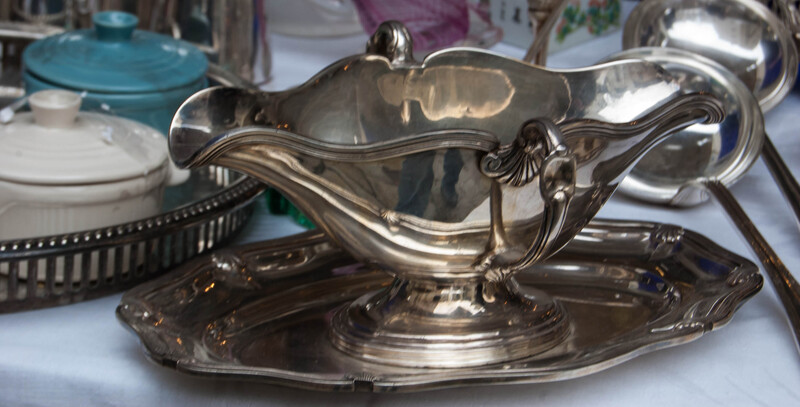
Step 1: Analyze the Cookware's Condition and Material
Before disposing of your old pans and pots, carefully assess their condition and what they're made of. Here's how to start:
- Check for Usability: Is the cookware still functional, albeit aged? Could someone else benefit from it?
- Identify the Material: Common cookware materials include stainless steel, aluminum, cast iron, copper, and cookware with nonstick coatings like Teflon. Each material may require a different disposal method.
- Look for Damage: Inspect for cracks, significant chips, warping, or flaking nonstick coatings. Cookware with severe damage is not suitable for further food contact but may still be recyclable or reusable for other purposes.
Step 2: Explore Options for Reuse and Repurposing
Reusing or transforming outdated cookware is the most sustainable choice. Here are creative ideas to give your old pots and pans a second life:
Repurpose in the Home or Garden
- Planters: Convert deep pots or pans into unique plant containers for decks, balconies, or gardens.
- Decorative Pieces: Paint or embellish and use for rustic wall art, kitchen decor, or quirky fruit bowls.
- Storage Solutions: Hanging old pans as organizers for utensils, tools, or crafting supplies adds functionality with style.
- Bird Feeders: Suspend shallow pans from trees to attract birds and other garden creatures.
Repurpose for Practical Household Uses
- Tool Holders: Sturdy saucepans make ideal storage for garden or garage tools.
- Candle Molds: Large, heat-resistant pots are perfect molds for homemade candles.
- Pet Food Bowls: Thoroughly cleaned old nonstick pans can serve as bowls for pets.
Remember: Clean the cookware thoroughly before repurposing, especially if it was used with harsh chemicals or coated with nonstick surfaces that are flaking.
Step 3: Donate Usable Pots and Pans
If your pots and pans are still in usable condition--not warped, cracked, or peeling--donation is a wonderful option. Many organizations and individuals can benefit from cookware in fair shape.
Where to Donate Old Cookware
- Local Charities: Goodwill, Salvation Army, Habitat for Humanity Restores, and other local thrift stores often accept gently used cookware.
- Homeless Shelters or Transition Housing: Contact local shelters directly--many need household supplies for residents.
- Community Centers, Churches, or Soup Kitchens: These facilities regularly serve meals and can use durable pots and pans.
- Online "Buy Nothing" or Freecycle Groups: Post your items online for local pickup by someone who can use them.
Tip: Always check with organizations beforehand regarding their current needs and donation policies.
Step 4: Recycle Old Pots and Pans
Recycling is the best disposal method when cookware is no longer fit for kitchen or household use. Because most pots and pans are made from recyclable metals, they often can be recycled as scrap metal.
How to Prepare Cookware for Recycling
- Clean Thoroughly: Remove all food residue and wash the cookware.
- Remove Non-Metal Components: Take off handles, knobs, lids, silicone grips, or plastic pieces, if possible. This makes recycling easier and more efficient.
- Sort by Material: Stainless steel, cast iron, aluminum, and copper are usually accepted. Nonstick coatings (such as Teflon) are generally okay, but check with your local recycler about coated pans.
Where to Recycle Old Pots and Pans
- Municipal Recycling Centers: Many accept scrap metal, though not all accept cookware. Search for your city's recycling guidelines online or call ahead.
- Scrap Metal Yards: These dealers accept most metal cookware; some may even pay a small fee depending on metal type and market rates.
- Special Collection Events: Some communities host annual recycling drive events for metals, e-waste, and hard-to-recycle goods.
- Retailer Take-Back Programs: Certain cookware brands or major retailers occasionally offer recycling or trade-in programs--check manufacturer or store policies.
Note: If your cookware has ceramic, glass, or enamel coatings, check with the recycling center beforehand, as some coatings can't be processed with metals.
Step 5: Safely Dispose of Unusable or Non-Recyclable Cookware
Some pots and pans, especially those with layers of nonstick coatings, significant wear, or those partly made from non-metal materials, can't be recycled or donated. In such cases, safe disposal is necessary:
- Wrap Hazardous Items: If the cookware has sharp edges or chips, wrap securely in newspaper or cardboard to prevent injury to waste workers.
- Bag and Tag: Place unusable cookware in a heavy-duty garbage bag and label it clearly for landfill if required by your municipality.
- Check for Hazardous Waste Guidelines: Rarely, cookware with certain hazardous coatings or fillings may need special handling. Consult local waste management authorities.
Important: As landfill space is limited and environmental impact is high, this should be the last resort after exploring all other disposal methods for outdated cookware.
Frequently Asked Questions about Cookware Disposal
Can I put old pots and pans in my curbside recycling bin?
Usually, no. Most curbside recycling programs do not accept large metal items. Pots and pans should be taken to designated scrap metal recycling centers instead.
Are nonstick coatings safe to recycle?
In most cases, modern recycling facilities can process pans with nonstick coatings, but it's best to check with your local recycling center. Some recommend removing the coating if possible, but this isn't always practical.
Can ceramic, glass, or enameled cookware be recycled?
These materials are typically not accepted in regular metal recycling but may be accepted at facilities specializing in ceramics or glass. Always check before dropping them off.
What are some signs it's time to dispose of pots and pans?
- Deep scratches or gouges in nonstick or enamel coatings
- Warped bases that affect heat conduction
- Broken handles or loose screws
- Rust or corrosion that cannot be removed

Summary Table: Step-by-Step Guide for Getting Rid of Old Pots and Pans
| Step | Action | Details |
|---|---|---|
| 1 | Analyze Condition & Material | Evaluate usability and type of cookware before disposal. |
| 2 | Repurpose / Upcycle | Use in garden, craft projects, or storage solutions. |
| 3 | Donate | Give away usable items to charities or through local groups. |
| 4 | Recycle | Take to a recycling center or scrap metal facility, after preparing and sorting. |
| 5 | Dispose Safely | Wrap and discard only if other options aren't possible. |
Conclusion: Make Environmentally Friendly Choices with Outdated Cookware
In summary, responsible disposal of outdated pots and pans is a multi-step process that protects the environment and supports your community. Whether you choose to repurpose, donate, recycle, or as a last resort, dispose of your old cookware, your method matters.
- Repurpose or upcycle where possible
- Donate usable pots and pans to organizations or individuals in need
- Recycle materials at proper facilities
- Dispose safely only when there's no alternative
By following these step-by-step methods for disposing of pots and pans, you'll declutter your kitchen and do your part to safeguard the planet for generations to come. So, the next time you're upgrading your kitchen arsenal, remember: responsible cookware disposal isn't just good housekeeping -- it's a step toward a greener world.