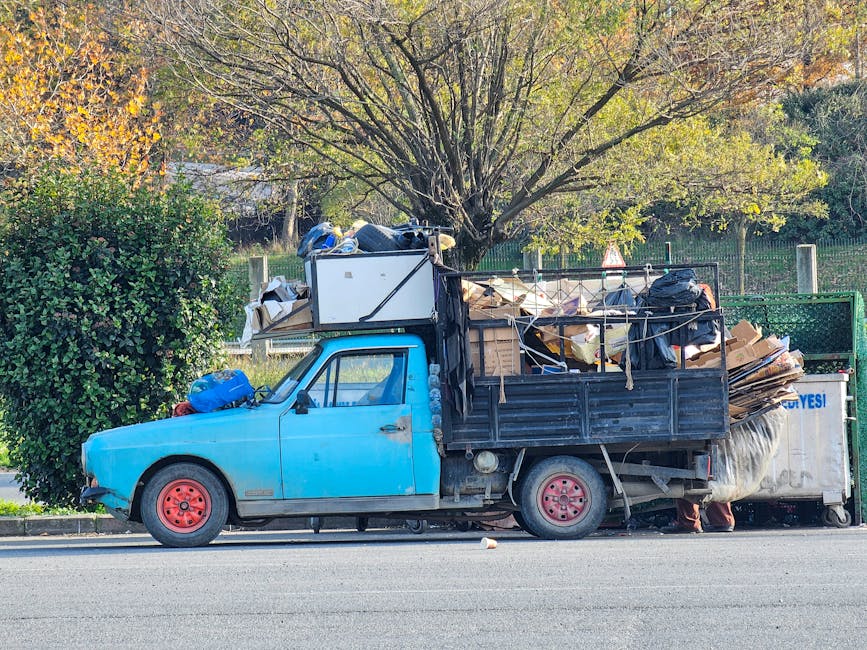
Rubbish removal SM1 Sutton High Street pickup guide

If you are trying to sort out a pile of clutter, a post-refurbishment mess, or just a few awkward items on Sutton High Street, this Rubbish removal SM1 Sutton High Street pickup guide is here to make the process feel a lot less chaotic. The trick is not just finding a collection slot; it is choosing the right pickup method, knowing what can go, and avoiding the small mistakes that turn a simple job into a headache. Truth be told, rubbish removal can be refreshingly straightforward once you know the moving parts.
In this guide, you will learn how local rubbish pickup typically works in SM1, when a van collection makes more sense than a skip, what to prepare before the crew arrives, and how to keep everything tidy, compliant, and cost-aware. You will also find a comparison table, a practical checklist, a real-world example, and answers to the questions people usually ask before booking.
Why this pickup guide matters
Sutton High Street is not the place where you want to be improvising with bulky waste. Access can be tight, parking can be awkward, and a small delay can ripple through a whole day. If you have ever stood beside a sofa, a broken wardrobe, and three bin bags thinking, "right, now what?", you already know the problem.
A well-planned rubbish collection saves time, reduces disruption, and helps you choose the right service for the job. That matters whether you are a homeowner clearing out a flat, a landlord turning over a property, a shop manager dealing with packaging waste, or a tradesperson with leftover materials after a job. It also matters because not every type of waste can be handled the same way. General household waste, bulky furniture, builders' debris, electrical items, and mixed junk all behave differently from a collection and disposal point of view.
For many people in SM1, the best solution is a pickup that arrives, loads quickly, and leaves the kerb clear again. That sounds simple enough. But the details matter: timing, access, item types, and whether you need a van crew, a skip, or a more specialised service such as rubbish removal or man and van. Picking the right method first is usually what keeps the whole thing calm.
How rubbish collection works on Sutton High Street
Local pickup services in central Sutton generally work on a simple sequence: you describe the waste, agree on a collection window or same-day slot, and the crew comes to load it from a specified point. In practice, the best jobs are the ones where the driver can get close, the items are already grouped together, and nothing needs to be debated on the pavement for ten minutes. Nobody wants that.
Here is how a typical collection plays out:
- You identify the waste. Split it into general rubbish, reusable items, recyclables, and anything that may be restricted.
- You choose the service style. For straightforward loading and removal, a van-based collection is often the cleanest option. For larger volumes or heavier trade waste, a skip-based solution may be better. You can review skip hire and wait and load skip hire if access is tight.
- You book the pickup. If timing is pressing, same-day or next-day collection can be useful, especially for clear-outs between tenancies or shop refits. See same-day skip hire for urgent options.
- The crew arrives and assesses access. This is the moment when stairwells, lifts, narrow entrances, and loading restrictions become relevant. A little pre-warning goes a long way.
- The waste is loaded and removed. Items are usually separated for reuse, recycling, or responsible disposal where possible.
If the waste sits directly on a driveway or loading area, collection tends to be quick. If it is inside a building, on a higher floor, or spread across several rooms, the job may take longer and may need a different service model. That is one reason people often compare rubbish removal, domestic skip hire, and grab hire services before booking.
Key benefits and practical advantages
A good pickup service is not just about getting rid of mess. It is about reducing friction. Less lifting. Less guessing. Less time spent trying to force a broken chest of drawers into the boot of a hatchback, which, let's face it, never ends well.
- Speed: Collections can clear a space in one visit instead of dragging the job out over several trips.
- Convenience: You avoid hiring a van, paying for fuel, or queuing at a waste site.
- Better access handling: A crew that understands local pickup conditions can plan around kerbside restrictions and loading challenges.
- Cleaner workflow: Waste is loaded by people used to handling bulky items, which is safer and less stressful.
- Recycling awareness: A responsible operator will divert suitable material away from landfill where possible. See recycling and sustainability and waste recycling services.
There is also a quieter advantage: peace of mind. Once the waste is gone, the room suddenly feels bigger, lighter, and less stubborn. You notice the floor again. Funny how that works.
For some jobs, the right answer may not be pickup alone. If you are dealing with a burst of trade waste or heavier construction debris, options like builders skip hire or construction waste disposal may be a better fit. If the load is mixed but manageable, a van collection can be quicker and less intrusive.
Who it is for and when it makes sense
This guide is useful for a lot of different people, not just homeowners doing a spring clear-out. In SM1, rubbish collection is often the practical choice for busy streets, flats above shops, short-term lets, and properties where space is at a premium.
It tends to make sense if you are:
- clearing general household clutter after a move
- disposing of bulky items like sofas, mattresses, wardrobes, or appliances
- emptying a loft, garage, or spare room
- dealing with builders' leftovers after light refurb work
- managing a rental turnover or end-of-tenancy clean-up
- running a local business and need commercial waste moved quickly
For example, a landlord with a flat off Sutton High Street may only need a single pickup of mixed items: a broken bed base, a table, and a few bags. In that case, booking a house clearance or a targeted pickup can be much more efficient than placing a skip outside for two days.
On the other hand, if you are clearing a garage, attic, or outbuilding and want the contents removed in one go, you might also look at garage and loft clearance. For office moves or business premises, office clearance can help you keep furniture and equipment moving out safely and in order.
Step-by-step guidance
If you want the smoothest possible pickup, a little prep makes a big difference. The best jobs are nearly always the boring, organised ones. Not glamorous, but effective.
- Make a quick waste inventory. Write down what needs to go. Include awkward items, heavy items, and anything uncertain. If you are unsure what is accepted, check what can go in a skip because many acceptance rules are similar across collection methods.
- Separate by type. Put general waste, cardboard, metal, wood, furniture, and electricals into rough groups if you can. It speeds everything up and helps with recycling.
- Measure access points. Check door widths, stair turns, lift size, and whether there is a clear loading spot. That sounds small, but it saves a lot of awkward back-and-forth.
- Flag restricted items early. Paint, chemicals, fridges, and confidential materials may need specialist handling. Use hazardous waste disposal, fridge and appliance removal, or confidential shredding where appropriate.
- Choose the right service. For simple, fast loading on the day, a wait and load skip hire approach can work well. For standard domestic jobs, look at domestic skip hire. For heavier waste, a grab lorry may be more efficient.
- Confirm the collection window. Central areas can be busier than people expect. If your access is time-sensitive, give yourself margin. Ten minutes late on a busy road can feel like forever.
- Keep the route clear. Hallways, doorways, and pavements should be free of obstacles. Place items where they can be loaded without unnecessary handling.
- Ask about recycling and disposal. A responsible provider should be able to explain how waste will be processed and what can be recycled.
If you need a fast booking, you can move straight to book online. If you are still weighing up costs or load size, review skip sizes and prices and pricing and quotes first. It is usually time well spent.
Expert tips for better results
A few small decisions can make the whole process easier. In our experience, the smoothest rubbish removals in SM1 are the ones where the customer treats the pickup like a tiny project instead of a last-minute panic.
- Bundle loose items before the crew arrives. One tidy pile loads faster than ten scattered ones.
- Break down anything you safely can. Flat-pack furniture, cardboard, and dismantled shelving take up far less room.
- Keep mixed waste honest. If a pile includes a bit of everything, say so. That prevents surprises on the day.
- Use the smallest practical option. Bigger is not always better. A smaller, well-planned pickup is often cheaper and easier.
- Think about security. If your waste includes sensitive documents or items that should not sit exposed, use locked storage first or explore enclosed and lockable skip hire for suitable scenarios.
- Have a backup plan for bulky items. Sofas, wardrobes, and appliances can behave unpredictably on narrow stairs. Slightly annoying, yes, but manageable with the right prep.
A practical rule of thumb: if you can lift, stack, and group items without blocking access, you are already making the crew's job easier. And when the team arrives, that organisation tends to come back to you in the form of faster loading and fewer delays.
Common mistakes to avoid
Most collection problems are avoidable. They usually come from assumptions. The item looks harmless, the driveway looks fine, the pickup seems simple. Then one detail turns up and everything slows down.
- Leaving the waste spread out: If the crew has to hunt for items across several rooms, the job takes longer.
- Not mentioning restricted materials: Fridges, solvents, and certain electricals should be disclosed before booking.
- Ignoring access constraints: Tight roads, permit restrictions, and poor loading space can affect service choice.
- Choosing the wrong disposal method: A van collection may be ideal for one-off furniture, but less efficient for heavy builders' waste.
- Booking without checking item rules: Some waste streams need special handling. If in doubt, ask first.
- Forgetting about permits where needed: If a skip is placed on public land, you may need permission. See skip hire permits and skip permits.
One of the most common slip-ups is trying to save time by hiding awkward items under more ordinary waste. That is never worth it. Better to be upfront and book the right collection than to create a disposal problem halfway through the job.
Tools, resources and recommendations
You do not need fancy equipment to prepare for a pickup, but a few simple tools help a lot. Nothing dramatic. Just practical stuff that makes the job less fiddly.
- Marker pen and tape: Helpful for labelling bags or separating keep/recycle/remove piles.
- Measuring tape: Useful for checking appliance dimensions, doorways, and stair turns.
- Heavy-duty sacks or boxes: Better than weak bags that split halfway down the corridor.
- Gloves and basic protective kit: Sensible for sharp edges, dust, and grimy corners.
- Phone notes or a quick photo set: A few clear pictures can help with quoting and planning.
From a service perspective, useful starting points include man and van for direct loading, grab lorry hire for heavier loose loads, and grab hire services where access and volume make a front-loading approach sensible. If your waste is mixed but mostly domestic, domestic skip hire remains a practical option.
For businesses, the decision often depends on how quickly waste is generated and how little disruption you can tolerate. In those cases, commercial skip hire or a tailored pickup can keep things moving without cluttering front-of-house space.
Law, compliance and best practice
Waste removal in the UK should be handled carefully. You do not need to memorise legislation to make a sensible booking, but you should expect responsible handling, proper sorting where possible, and lawful disposal through approved routes. That part matters. A lot.
Best practice usually means:
- using a provider that handles waste responsibly
- separating hazardous or specialist waste from general rubbish
- not placing restricted items in a general load
- checking whether access arrangements require permits or prior approval
- making sure personal or business data is protected before disposal
If the collection involves construction or demolition debris, use services designed for that purpose, such as builders waste removal, construction waste clearance, or demolition waste removal. Those waste streams can be heavier, dustier, and less forgiving than standard domestic rubbish.
When in doubt, ask for clarification before the pickup day. A trustworthy operator should be able to explain how waste is handled, what is excluded, and how the job fits your access conditions. You can also review insurance and safety, health and safety policy, and terms and conditions so you know what to expect.
Options and comparison table
Choosing the right pickup method depends on what you are clearing, how quickly it needs to go, and how easy access is on the day. Below is a plain-English comparison to help narrow it down.
| Option | Best for | Strengths | Things to watch |
|---|---|---|---|
| Rubbish removal / van pickup | General clutter, furniture, mixed domestic waste | Fast, convenient, minimal space needed | May be less efficient for very heavy or bulky loads |
| Wait and load | Busy streets, short loading windows, no long-term placement space | Great for tight access and quick turnaround | Requires everyone to be ready when the vehicle arrives |
| Skip hire | Ongoing clear-outs, renovation waste, larger volumes | Handy for multi-day jobs and repeat loading | May need a permit if placed on public land |
| Grab lorry hire | Loose, heavy, or bulky waste in larger piles | Efficient for heavier materials and quick collection | Needs suitable access and enough space for the lorry |
If your project is a one-off flat clear-out, a van-based service is usually the least faff. If the job has grown arms and legs, a skip or grab lorry may work better. The key is matching the method to the waste, not the other way around.
Case study or real-world example
Imagine a first-floor flat near Sutton High Street after a tenant move-out. The outgoing tenant has left a sofa, a mattress, three small tables, a broken TV unit, and several bags of mixed household waste. The property manager wants the place cleared quickly so cleaning can begin the next morning.
In a situation like this, the best approach is often a focused van collection rather than a skip. Why? Because there may be limited curbside space, no practical room to leave a container, and a fixed deadline that does not care about anyone's lunch break. The items are bulky but manageable, and the waste is ready to go.
The prep is simple:
- set everything in one room or in a ground-floor staging point if safe
- separate any electrical items
- flag anything potentially hazardous
- confirm the access route and parking point
- book a pickup window early enough to leave time for cleaning afterwards
In that kind of scenario, a service such as mattress and sofa disposal can be especially useful for the bulky items, while a broader house clearance or man and van booking may handle the rest. The end result is simple: the flat is empty, the space is clean, and the next job can start without delay.
Practical checklist
Use this quick checklist before your collection day. It is basic, yes, but basic is often what keeps things smooth.
- List every item you want removed
- Separate general waste from electricals and specialist items
- Check doorway, stair, and lift access
- Confirm parking or loading access near Sutton High Street
- Remove personal belongings from furniture and drawers
- Label anything fragile, restricted, or sensitive
- Keep the collection area clear and easy to reach
- Ask in advance about hazardous, fridge, or confidential items
- Review pricing and load size before confirming
- Have contact details ready in case the crew needs to reach you
If the job is part of a wider property clean-up, it can help to pair pickup with site clearance or house clearance. That way, everything gets handled as one clean, organised plan rather than a scatter of separate tasks.
Conclusion
A good Rubbish removal SM1 Sutton High Street pickup guide is really about reducing uncertainty. Once you know what kind of waste you have, how easy it is to access, and which collection style suits the load, the whole process becomes much easier to manage. The right choice might be a quick van pickup, a wait-and-load arrangement, a skip, or a more specialised removal service. The point is to match the method to the reality of the job.
Take the time to group the waste, check access, and separate restricted items before collection. That small bit of preparation usually pays for itself in saved time, fewer surprises, and a far less stressful day. And when the space is finally clear, it does feel better. A lot better, actually.
Get a free quote today and see how much you can save.
If you are ready to move from planning to action, the next sensible step is to review the service that best fits your load, then book online when you are ready. If you want more background on the team and the way they work, take a look at about us.
Frequently Asked Questions
What is the best rubbish removal option for Sutton High Street?
For many small to medium domestic jobs, a van-based collection or man and van service is the simplest choice because it handles loading quickly and needs very little space. If the waste is larger or more awkward, a skip or grab lorry can make more sense. It depends on access, volume, and how fast you need the area cleared.
Can I book same-day rubbish collection in SM1?
Often, yes, depending on availability and the size of the job. Same-day or urgent slots are usually best for smaller, well-prepared loads. If your waste is spread out or includes specialist items, it is wise to call early in the day so there is enough time to organise the pickup properly.
Do I need a permit for rubbish removal?
For a direct collection from your property, usually not. Permits become more relevant when a skip or container needs to sit on public land. If you are considering a skip placement near Sutton High Street, check skip hire permits or skip permits first.
What items are commonly accepted in a rubbish pickup?
General household rubbish, furniture, bags of mixed waste, and many bulky items are commonly accepted. However, acceptance varies by service and disposal route. Electricals, fridges, mattresses, confidential paperwork, and hazardous materials may need separate handling, so it is better to ask before booking.
Can you remove sofas and mattresses from a flat?
Yes, usually. These are standard bulky items, though access can be the tricky bit in older buildings or upper-floor flats. If stairs are narrow or the item is awkward to move, let the provider know in advance so they can plan the right crew and timing.
Is wait and load better than skip hire for Sutton High Street?
It can be, especially where space is limited or you do not want a skip sitting outside. Wait and load is useful when you have everything ready to go and the crew can load quickly. Skip hire is often better if the clear-out will take longer or happen over several days.
What should I do with fridges, freezers, or appliances?
Do not assume they can go with normal waste. Appliances may require specialist handling due to their materials and components. Use a dedicated appliance service such as fridge and appliance removal so the item is dealt with properly.
Can confidential documents be thrown away with general rubbish?
They should not be treated casually. If the waste includes personal records, client information, or business papers, use secure handling and consider confidential shredding. That is the safer and more responsible route.
How do I know whether I need rubbish removal or skip hire?
If the waste is ready to go and you want it gone quickly, rubbish removal is often easiest. If you are working through a larger project over several days and need a place to keep loading, skip hire may be more suitable. The access situation usually decides it more than anything else.
What if my waste includes builders' rubble or renovation debris?
Then you are usually moving into trade or construction waste rather than standard household rubbish. Look at builders waste removal, construction waste disposal, or builders skip hire depending on the volume and access.
Can I get rid of garden waste at the same time?
Yes, if it is accepted within the chosen service and is kept separate from other waste where needed. For purely green waste, a dedicated garden waste removal service is often the cleanest option.
How can I keep the pickup cost under control?
Sort the waste before the crew arrives, keep the load together, and choose the smallest service that genuinely fits the job. Also, be upfront about access and item types. Surprises are what usually push a simple collection into a pricier one.